Health and Safety Policy for Cleaners Brixton
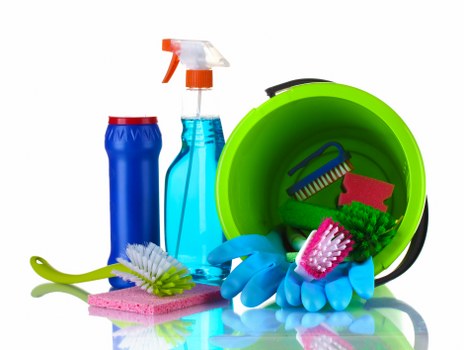 This health and safety policy for cleaners Brixton sets out the standards, responsibilities, and working practices that help create a safe, efficient, and respectful cleaning environment. It applies to all cleaning tasks, whether carried out in offices, shared buildings, homes, or commercial spaces. The aim is to reduce avoidable risks, support safe working habits, and ensure that every cleaner understands how to protect themselves, clients, and others who may be affected by their work.
Health and safety are not separate from quality; they are part of good cleaning practice. A well-organised cleaning service depends on careful preparation, proper use of equipment, and awareness of potential hazards. Cleaners must follow safe procedures at all times, report concerns promptly, and avoid taking shortcuts that could lead to injury, contamination, or damage. This policy is designed to encourage a consistent and practical approach to safety.
 All cleaners must treat health and safety as a shared responsibility. While employers or supervisors may provide training, equipment, and clear instructions, each individual must also act responsibly, use common sense, and remain alert to changing conditions. This includes wearing appropriate protective clothing, using products correctly, and stopping work if a task becomes unsafe. A strong safety culture protects everyone involved.
Key Responsibilities
The first responsibility is to identify risks before starting work. Cleaners should inspect the area, check whether floors are wet or slippery, and look for obstacles, damaged items, exposed wires, or unsafe access points. If a hazard cannot be removed immediately, it should be reported and managed in a way that prevents harm. Risk awareness is especially important when working in busy environments where people may be moving through the space during cleaning.
Cleaners are also responsible for using equipment in the correct manner. Mops, vacuums, cloths, ladders, and other tools should be suitable for the task and kept in good condition. Defective equipment must not be used. Where heavier lifting or repetitive movement is required, cleaners should adopt safe manual handling techniques to avoid strain or musculoskeletal injury. Good posture, sensible load sizes, and planned movement all reduce unnecessary risk.
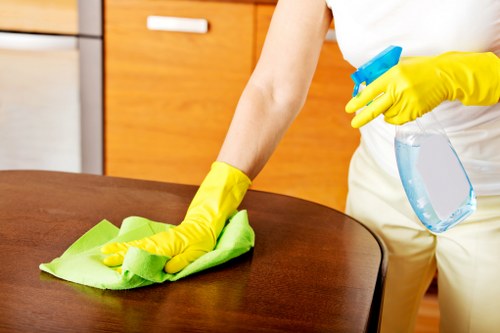 Chemical safety is another essential part of this policy. Cleaning products should always be used according to instructions, with attention to dilution, ventilation, and storage. Products must never be mixed unless specifically approved for that purpose. Labels should be read carefully, and containers must be closed securely after use. Gloves and other protective items should be worn when required to reduce exposure to irritants or harmful substances.
Safe Working Practices
Safe cleaning begins with planning. Tasks should be organised so that equipment, products, and waste can be handled efficiently without unnecessary movement or repetition. Spills should be addressed quickly, with warning signs or temporary barriers used where needed to prevent slips. Particular caution should be taken when cleaning stairs, bathrooms, kitchens, or any area where moisture or cleaning residue may create a hazard.
Personal protective equipment, where required, must be used properly and maintained in a clean and serviceable condition. This may include gloves, masks, aprons, or non-slip footwear depending on the task. Cleaners should not improvise with unsuitable items. If the work involves dust, fumes, bodily fluids, or other potentially harmful materials, the correct level of protection must be applied without exception.
Cleaners should also work in a way that supports their physical wellbeing. This means taking reasonable breaks, avoiding rushed movements, and alternating tasks where possible to reduce repetitive strain. A well-managed cleaning health and safety approach recognises that fatigue can increase the risk of accidents. When workers feel unwell, injured, or excessively tired, they should inform a supervisor and avoid tasks that could worsen the issue.
Training, Reporting, and Incident Response
Training is essential for maintaining safe standards. Every cleaner should receive clear instruction on equipment use, chemical handling, emergency procedures, and safe disposal practices. Refresher training may be needed when new products, tools, or procedures are introduced. No one should be expected to perform a task safely without understanding the proper method first.
Accidents, near misses, and unsafe conditions should be reported as soon as possible. Early reporting helps prevent repeat incidents and allows issues to be corrected before they lead to harm. This includes broken equipment, missing warning signs, damaged flooring, poor lighting, or any situation that creates a foreseeable risk. A prompt report is not an admission of fault; it is an important part of responsible practice.
 In the event of an accident, cleaners should follow the agreed emergency procedure, seek appropriate assistance, and make sure the area is made safe where possible. If first aid is needed, it should be provided by a trained person. Serious incidents may require further investigation so that lessons can be learned and controls improved. The goal is not only to respond well, but to prevent similar events in the future.
Review and Continuous Improvement
 This policy should be reviewed regularly to ensure it remains effective, practical, and aligned with day-to-day working conditions. Changes in equipment, materials, staffing, or service type may require updated controls. Cleaners, supervisors, and managers should all contribute to maintaining a safe workplace by sharing observations and suggesting improvements where appropriate. Safety works best when it is treated as a continuous process rather than a one-time checklist.
Ultimately, the purpose of this health and safety policy for cleaners is to support reliable, respectful, and low-risk cleaning operations. By following safe methods, using equipment correctly, and remaining alert to hazards, cleaners can carry out their work effectively while protecting themselves and others. A consistent commitment to safety strengthens performance, reduces disruption, and helps ensure that every cleaning task is completed with confidence and care.