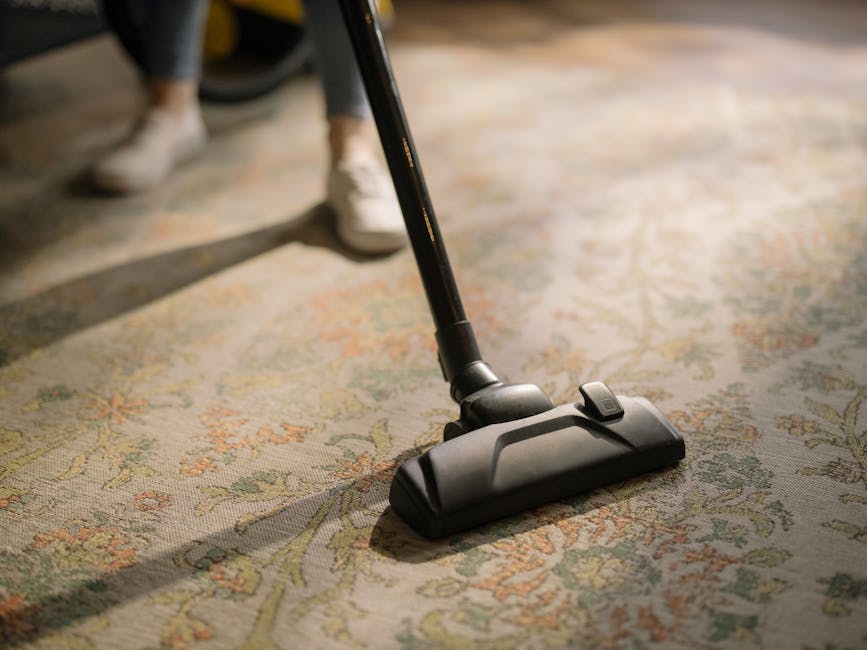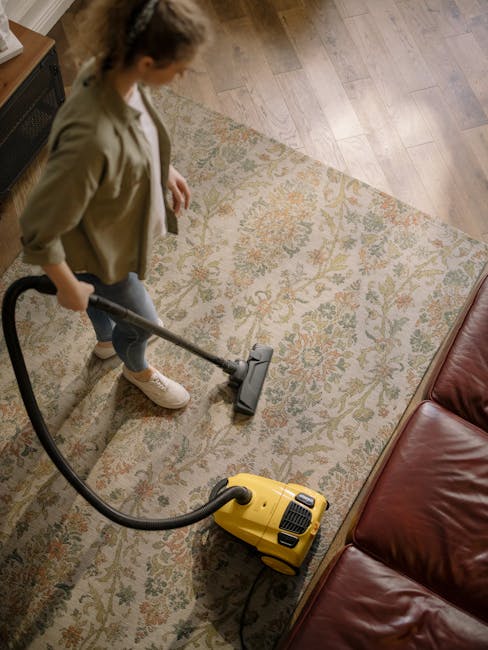
Carpet cleaning near Electric Avenue Brixton Village: a practical guide for busy homes, rentals, and local businesses
If you are looking for carpet cleaning near Electric Avenue Brixton Village, you are probably not after fluff or generic advice. You want carpets that look fresher, smell cleaner, and feel properly cared for again. Maybe it is a flat near the market, a shop with heavy footfall, or a family home where life has simply left its mark. Either way, the same problem tends to show up: dirt gets ground deep into the fibres, spills settle in, and regular vacuuming only does so much.
This guide walks through what local carpet cleaning actually involves, how it works, when it makes sense, and how to choose the right approach for your space. It also covers practical things people often miss, like drying time, stain treatment, and how to avoid making a small spill turn into a permanent patch. Let's face it, carpets can look fine from a distance and still be holding onto a lot of hidden mess.
Why Carpet cleaning near Electric Avenue Brixton Village matters
Carpets in and around Electric Avenue and Brixton Village tend to work hard. The area has a lively pace, plenty of passing foot traffic, and a mix of homes, rentals, studios, cafes, and workspaces nearby. That means more dust, more grit on shoes, and more chance of everyday spills. In a place with constant movement, carpets rarely get the luxury of staying pristine for long.
There is also a very simple reality: carpets affect how a room feels. A clean carpet can make a hallway seem brighter, a living room feel calmer, and a business space look more put together. A tired carpet does the opposite. It can make a room smell a bit stale, hold pet odours, and make the whole place feel harder to keep on top of.
People often wait until a stain becomes obvious before booking a clean. That is understandable. But once grime settles deep into the pile, cleaning becomes more about restoration than maintenance. If you have ever noticed that odd grey path on the main walkway through a room, that is not your imagination. It is the kind of wear that builds quietly over time.
For landlords, tenants, homeowners, and business owners alike, timely carpet care is not just about appearance. It can help protect flooring investment, reduce allergens trapped in fibres, and support a better first impression. If your carpets also need a broader refresh, services like deep cleaning or one-off cleaning can make sense alongside carpet treatment, especially after a busy season or a big life change.
Expert summary: The best carpet clean is usually the one that matches the carpet's fibre, soil level, and drying needs rather than the most aggressive method available. Gentle but thorough often wins.
How Carpet cleaning near Electric Avenue Brixton Village works
A proper carpet clean is more than a quick spray and a machine pass. The process usually starts with inspection. A cleaner looks at the fibre type, visible stains, traffic areas, and whether there are signs of wear, colour loss, or residue from old spot treatments. That first look matters more than people think. Wool, synthetic blends, and delicate rugs do not all react the same way.
Next comes dry soil removal. Vacuuming is not just a nice extra; it is a core step. Loose grit acts like sandpaper when moisture is added, so lifting out dry debris first helps protect the pile and improves the final result. If that part is skipped, you can end up with mud rather than clean carpet. Not ideal.
After that, the cleaner may pre-treat stains and traffic lanes. This is where specialist products come in, including stain-lifting agents or pet-focused treatments if needed. Some services also include stain removal or pet stain odour removal where the carpet needs a bit more attention than standard cleaning can provide.
Then comes the main cleaning method. In many homes, that means hot water extraction or steam carpet cleaning. Despite the name, it is usually hot water and cleaning solution injected into the pile and then extracted with strong suction. The aim is to loosen embedded dirt and remove it rather than push it deeper. It works well for many everyday carpets, especially where grime has built up in walkways or around sofas.
Finally, the carpet is groomed and left to dry. Grooming helps the pile stand up more evenly and can improve appearance while drying. Drying time depends on airflow, humidity, carpet thickness, and how much solution was used. On a damp London day, you may notice it takes a little longer. No drama, just reality.
Key benefits and practical advantages
There are the obvious benefits, and then there are the ones people only notice after the job is done. The obvious ones are cleaner appearance and fewer visible stains. The less obvious ones often matter just as much.
- Better indoor feel: a clean carpet can make a room feel fresher and less stuffy.
- Improved presentation: useful for letting agents, landlords, hosts, retailers, and anyone who wants a space to look cared for.
- Odour control: lingering smells from pets, spills, or daily wear can be reduced with proper treatment.
- Longer carpet life: removing abrasive dirt helps slow down fibre wear.
- Better match for busy homes: families, flatshares, and people with pets usually benefit from more frequent care.
There is also a psychological benefit that is easy to underestimate. When carpets are clean, the rest of the room feels easier to manage. You notice it when the place smells lighter as soon as you walk in, or when afternoon light hits the floor and the fibres do not look dull anymore. Small thing, but it changes the whole mood.
For commercial spaces, a clean carpet can support a more professional experience for staff and visitors. In shared buildings, services like communal area cleaning or commercial carpet cleaning are especially useful where foot traffic is regular and wear appears quickly.
Who this is for and when it makes sense
Carpet cleaning near Electric Avenue Brixton Village makes sense for more people than you might first think. It is not only for end-of-tenancy situations or visible disasters. In fact, waiting for a dramatic stain usually means you have left it a bit too long.
This service is especially useful for:
- Tenants preparing for checkout or move-out
- Landlords turning over a property between occupants
- Homeowners who want to reset high-traffic rooms
- Pet owners managing smells or recurring accidents
- Airbnb hosts who need a guest-ready standard quickly
- Offices and small businesses with reception or meeting room carpets
- Families dealing with crumbs, drink spills, and muddy shoes after a wet week
If your move is already in motion, carpet care can sit naturally alongside move-out cleaning or move-in cleaning. If you are settling into a new place, it is often the one job that makes the biggest difference before the furniture is fully in place.
There are also cases where carpet cleaning is not the first thing to book. For example, if the property has construction dust everywhere, or the cleaning needs are broader, then after builders cleaning may be the better starting point. A carpet can be cleaned properly, yes, but not if the whole room still has plaster dust floating around.
Step-by-step guidance
If you are arranging carpet cleaning for the first time, the process is simple enough once you know what to expect. Here is a sensible flow.
- Assess the carpet first. Look at the traffic areas, stains, and any odours. Note whether the carpet is wool, synthetic, or a delicate blend if you know it.
- Clear the area. Move small furniture, breakable items, and anything that will block access to the floor. Some providers can help with heavier items, but it is safer to check in advance.
- Vacuum thoroughly. This should happen before deep cleaning, not after. It removes loose grit and helps the treatment work better.
- Point out stains or problem spots. Be honest about them. A coffee mark from last week is very different from a faded spill that has been there for months.
- Choose the right method. Steam cleaning is common, but not always the best option for every carpet. Match the method to the fibre and condition.
- Allow proper drying. Open windows if possible, use airflow, and avoid heavy foot traffic until the carpet is dry enough.
- Finish with a check. Look at edges, corners, and under furniture where dirt often hides. You will often find the detail work is what separates an okay clean from a really good one.
If you are booking professionally, it helps to ask about pricing, drying expectations, and what is included. A service page like pricing and quotes can be useful when you want to understand the structure before you commit. Nothing fancy, just clarity.
Expert tips for better results
There are a few small habits that can make a big difference. Honestly, these are the kind of things people learn the hard way and then wonder why nobody mentioned them sooner.
- Treat spills quickly. Blot, don't rub. Rubbing can spread the stain and rough up the fibres.
- Test spot treatments carefully. A product that works on one carpet can damage another. Always be cautious around dyes and delicate fibres.
- Think in zones. Hallways, entrances, and living-room walkways usually need more frequent cleaning than corners or guest rooms.
- Use mats where they actually help. Door mats are useful, provided people step on them. Bit of a detail, but it matters.
- Get odours treated at the source. If a smell keeps returning, the issue may be deeper in the pile or underlay.
- Improve airflow after cleaning. Open windows, keep curtains aside if possible, and use steady ventilation rather than blasting heat.
For homes where soft furnishings also hold dust and smells, combining carpet work with sofa cleaning, rug cleaning, or upholstery cleaning can create a more complete result. The room feels aligned, not just "partly done".
And one more thing: if a cleaner promises miraculous drying in ten minutes, be wary. That is the sort of claim that sounds cheerful until you are tiptoeing across a damp carpet all afternoon.
Common mistakes to avoid
The biggest mistakes are usually simple. Simple, but expensive if you get them wrong.
- Using too much water. Over-wetting can leave carpets slow to dry and may encourage wicking, where a hidden stain rises back up later.
- Scrubbing stains aggressively. This can spread the mark and damage the pile.
- Cleaning without vacuuming first. Dirt turns to slurry when mixed with moisture.
- Ignoring the fibre type. Wool carpets, synthetic carpets, and delicate rugs need different handling.
- Leaving stains to "air dry". That usually means the stain sets. Not great.
- Booking only by lowest price. Cheap can be fine, but it should still include proper assessment, suitable equipment, and realistic drying advice.
Another common one is forgetting the underlay or surrounding fabrics. If the carpet has picked up odour from a pet accident or a spill that went right through, the top layer may look okay while the deeper issue remains. That is where careful diagnosis matters more than a quick visual clean.
Tools, resources and recommendations
You do not need a van full of equipment to keep a carpet in decent shape, but the right tools help a lot. For home maintenance, a decent vacuum with strong suction is the starting point. A soft brush attachment can be useful for edges and skirting-line dust, while a clean white cloth is handy for blotting spills and spotting colour transfer.
For more stubborn marks, a specialist approach is often better than improvising with household products. That is particularly true for grease, pet accidents, or older stains that have already oxidised. If the carpet needs targeted attention, services such as stain removal or pet stain odour removal are worth considering before you start experimenting with whatever bottle is under the sink.
Here are a few practical recommendations that tend to hold up in real life:
- Keep a small spill kit at home: cloths, a bowl of water, and a gentle cleaning option approved for your carpet type.
- Vacuum high-traffic areas more often than the rest of the room.
- Rotate furniture occasionally if the layout allows, so wear is not concentrated in one path.
- Ask for a method that suits the carpet rather than one standard process for every job.
- For businesses, combine carpet care with office cleaning or commercial cleaning where presentation and hygiene both matter.
Law, compliance, standards, or best practice
For carpet cleaning, most of the important guidance sits in best practice rather than heavy regulation. That said, professional cleaners in the UK are expected to work safely, handle chemicals responsibly, and communicate clearly about the service they provide. In day-to-day terms, that means clear pricing, sensible use of products, and proper care around hazards like wet floors or electrical equipment.
If you are choosing a provider, look for signs that they take safety seriously: sensible risk awareness, insurance, and straightforward service terms. Pages such as insurance and safety, health and safety policy, and terms and conditions are useful trust signals because they show the business is thinking beyond the job itself.
There is also a customer-service side to this. If anything goes wrong, you should know how complaints are handled and how data is treated. That is why pages like complaints procedure and privacy policy matter, even if they are not the exciting part of the decision. They help you understand how the company works when things are not perfect. And let's be honest, no service is improved by mystery.
Options, methods, or comparison table
The best carpet cleaning method depends on the carpet, the soil level, and how quickly you need the room back in use. Here is a simple comparison to make the choice less fuzzy.
| Method | Best for | Strengths | Watch-outs |
|---|---|---|---|
| Steam / hot water extraction | Most standard carpets, traffic lanes, general deep refresh | Good for embedded dirt and a thorough clean | Drying takes longer if ventilation is poor |
| Targeted stain treatment | Specific spots, spills, pet incidents | Useful for problem areas without over-treating the whole room | May not remove overall dullness |
| Light maintenance clean | Low-traffic rooms, frequent upkeep | Quick, practical, minimal disruption | Not enough for heavily soiled carpet |
| Combined soft furnishing clean | Rooms with carpets, sofas, and rugs all showing wear | More consistent visual result across the room | Takes more planning |
If you are unsure, ask for advice rather than guessing. A reputable cleaner will usually tell you when a full extraction clean is worthwhile and when a lighter treatment will do the job. Sometimes less is more. Sometimes it really isn't.
Case study or real-world example
Picture a two-bedroom flat not far from Electric Avenue. One hallway carpet has a dark path down the centre, the living room has a pale patch from a drink spill, and the bedroom near the window smells faintly of pets. Nothing dramatic, just everyday life adding up.
In a case like that, the best approach is usually not to attack every mark separately with different products. A better plan is to inspect the fibres, vacuum thoroughly, pre-treat the spill marks, and use a method that reaches the embedded soil in the walkway. The pet odour may need separate treatment if it has soaked below the surface, especially if it has been there a while.
What tends to surprise people most is the difference after drying. The room does not just look cleaner; it feels more "reset". The light seems to sit better on the floor. The stale note disappears. And the place feels easier to live in the next morning, which is really the point.
In a small local cafe, the logic is similar but the stakes are a bit different. You want the floor to look smart during busy periods, but you also need cleaning that fits around opening hours and foot traffic. That is where regular scheduling and a service like regular cleaning can support the carpet care rather than leaving everything to a once-in-a-while rescue job.
Practical checklist
Use this checklist before booking or carrying out carpet cleaning near Electric Avenue Brixton Village.
- Identify the main problem: dirt, stain, odour, traffic wear, or all of the above.
- Check the carpet type if you know it, especially wool or delicate fibres.
- Vacuum thoroughly before any wet cleaning.
- Move small items and fragile objects out of the way.
- Point out old stains, pet spots, or areas you are worried about.
- Ask which method will be used and why.
- Confirm approximate drying time and ventilation advice.
- Find out whether related fabrics or rugs should be cleaned too.
- Review pricing, safety, and service terms before confirming.
- Leave the room with decent airflow once the clean is done.
Quick takeaway: good carpet cleaning is part preparation, part method, and part aftercare. If one of those pieces is missing, the result usually shows it.
Get a free quote today and see how much you can save.
Conclusion
Carpet cleaning near Electric Avenue Brixton Village is about more than making fibres look neat for a day. Done properly, it helps a room feel cleaner, protects flooring from long-term wear, and supports the kind of fresh, lived-in space people actually enjoy spending time in. That matters whether you are preparing for a move, keeping a rental in good shape, or simply trying to get your home back from the weekly grind.
The key is choosing the right method for the carpet, treating stains sensibly, and not rushing drying or aftercare. Keep it practical. Keep it honest. And do not wait until the carpet has fully given up on you. A little attention at the right time goes a long way, even on a busy street where everything seems to happen all at once.
If you are weighing up your options, start with the condition of the carpet, the type of clean needed, and the level of trust you want from the provider. That simple framework usually gets you to the right answer without fuss. And honestly, a fresher floor can change the whole feel of a home in a way people do not always expect until they see it for themselves.
Frequently Asked Questions
How often should carpets be professionally cleaned near Electric Avenue Brixton Village?
It depends on traffic, pets, children, and whether the property is used for short lets or business. Busy homes and commercial spaces usually benefit from more frequent cleaning than quieter rooms.
Is steam carpet cleaning suitable for all carpets?
No, not always. Steam or hot water extraction suits many standard carpets, but delicate fibres or certain rugs may need a gentler method. Always match the process to the material.
How long does carpet cleaning usually take to dry?
Drying time varies by carpet thickness, airflow, humidity, and how much cleaning solution is used. Some carpets are touch-dry within hours, while thicker ones can take longer.
Can carpet cleaning remove pet smells?
Often yes, but only if the odour source is treated properly. If urine or spills have reached the underlay, the cleaner may need a targeted odour treatment rather than a standard surface clean.
Will carpet cleaning remove old stains?
Sometimes, but not always completely. Older stains can set into the fibres or dye the material. A professional stain assessment gives you a more realistic expectation.
Is it worth cleaning carpets before moving out?
Usually, yes. A cleaned carpet can help a property look better for inspections, viewings, or the next occupant. It is especially useful when paired with end of tenancy cleaning.
What should I do before a carpet cleaner arrives?
Vacuum if possible, clear small items from the floor, and point out any stains, odours, or fragile areas. A little preparation saves time and usually improves the result.
Are carpet cleaning products safe for children and pets?
That depends on the products used and how the room is ventilated afterwards. A responsible cleaner should be able to explain what is used and how to minimise risk during drying.
Do I need carpet cleaning if the carpet looks clean?
Sometimes yes. Carpets can hold grit and allergens even when they look fine. High-traffic areas may benefit from cleaning before visible wear becomes obvious.
Can carpet cleaning help with allergies?
It may help reduce dust and debris trapped in the fibres, though it is not a medical treatment. Regular vacuuming and proper cleaning can support a cleaner indoor environment.
Should I choose carpet cleaning or a broader deep clean?
If the carpets are the main issue, a targeted carpet service may be enough. If the whole property feels tired, pairing it with deep cleaning or another wider service can be the better call.
How do I know whether a cleaner is trustworthy?
Look for clear service information, sensible safety practices, transparent terms, and straightforward communication. Trust usually shows up in the small details, not the flashy promises.
In the end, a good carpet clean is one of those jobs that quietly improves everything around it. Not dramatic, just genuinely satisfying. And sometimes that is exactly what a home or business needs.